
Lead Abatement Coveralls PL-CA-106
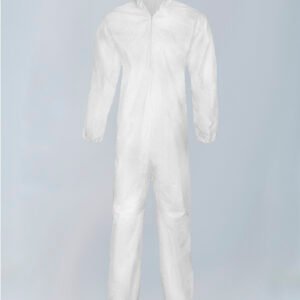
PL-CA-106 is a disposable 60 GSM SMS coverall with an attached hood and boot covers, sold by the case to lead abatement, renovation and paint-removal contractors in the U.S. It is stocked in Anderson, South Carolina, in XL, 2XL and 3XL, in 10-, 25- and 50-suit cases. Lead abatement coveralls PL-CA-106 help keep lead dust off skin, hair and street clothes.
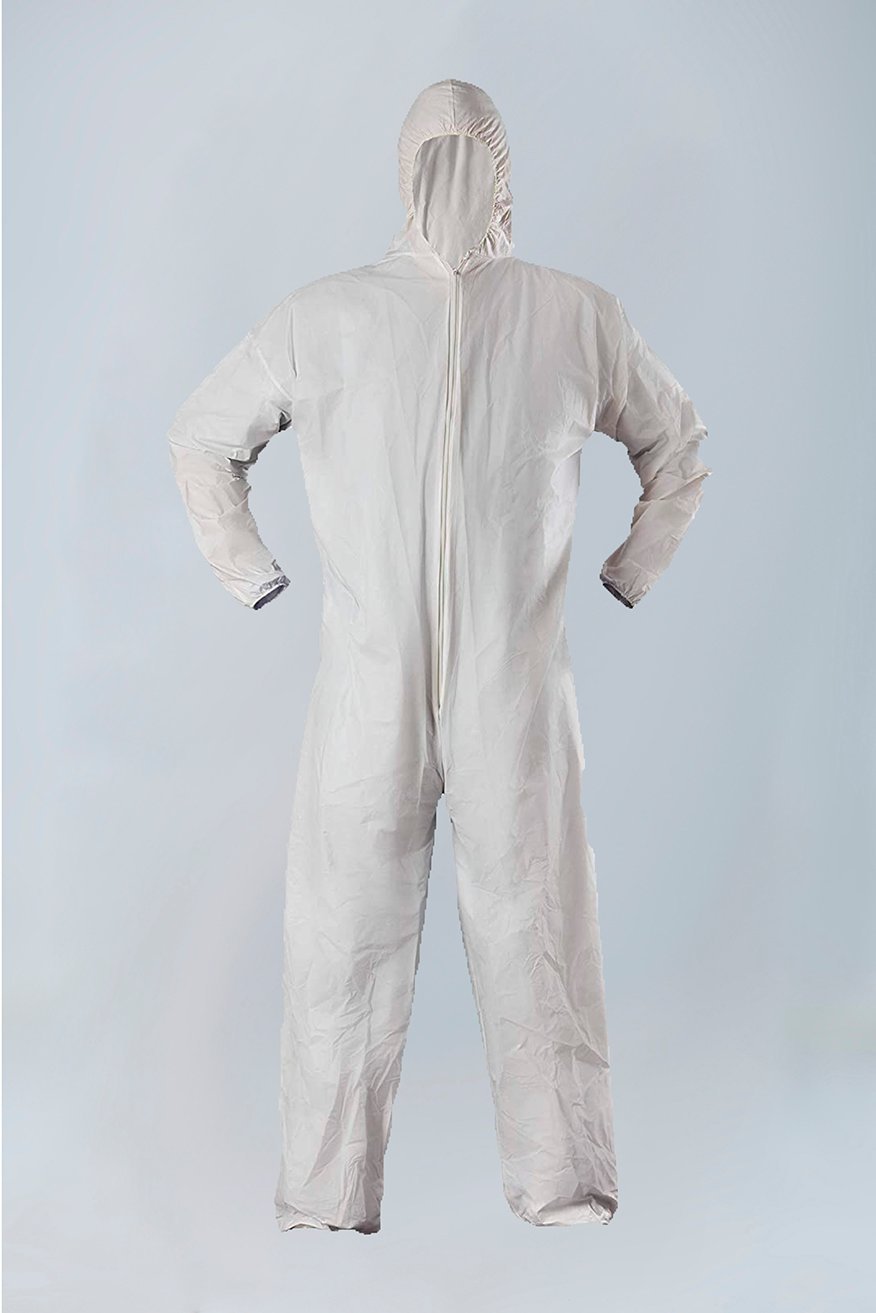
Lead abatement coveralls PL-CA-106 specifications
| Model | PL-CA-106 |
|---|---|
| Fabric | SMS nonwoven, 60 GSM |
| Coverage | Full body with attached hood and attached boot covers; front zipper; elastic wrists and ankles |
| Sizes | XL, 2XL, 3XL — one size per case |
| Case options | 10 suits ($40) · 25 suits ($75) · 50 suits ($125) |
| Supply | U.S. stock; dispatch within 1–2 business days |
Keeping lead dust away from the worker
Scraping, sanding and demolition throw lead dust onto skin, hair, clothing and shoes. From there it reaches the body when a worker touches their face, eats, drinks or smokes, and it can travel home to family on dirty clothes. PL-CA-106 puts a barrier between the worker and that dust: the attached hood covers the hair, the suit covers work clothes and the arms and legs, and the attached boot covers protect footwear. Wear it with gloves and the respirator chosen by your competent person, because a coverall does not stop lead dust from being breathed in.
OSHA’s construction lead standard, 29 CFR 1926.62, requires protective work clothing where exposure is above the permissible limit, and requires contaminated clothing to be removed at the end of the shift and kept in closed containers, so lead stays on site.
Respirators: the protection a coverall cannot give
Breathing in lead dust and fume is the main way lead gets into a worker’s body, and no coverall stops that. Every PL-CA-106 user doing lead work needs the right respirator as well. Under OSHA’s lead standard, 29 CFR 1926.62, respirators are required when exposure is above the permissible exposure limit of 50 µg/m³ (8-hour average), and certain tasks are presumed to exceed it until air monitoring shows otherwise.
- Manual scraping, manual sanding, heat-gun work and power tools with dust collection are presumed to be above the limit. A half-mask air-purifying respirator with HEPA filters (N100, R100 or P100) is the usual minimum.
- Power tools without dust collection and cleanup of dry abrasive-blasting debris are presumed to reach higher exposures, so a full-facepiece or powered air-purifying respirator (PAPR) is typically needed.
- Abrasive blasting, welding, cutting and torch burning on lead-coated surfaces produce the highest exposures and need respirators with a much higher protection factor, such as supplied-air units.
Use NIOSH-approved respirators within a written respiratory protection program under 29 CFR 1910.134. That means a medical evaluation, a fit test for tight-fitting masks, and training. Put the respirator on before raising the hood of the coverall, and take the suit off before the respirator when you leave the work area, so dust on the suit does not reach your face. The employer or competent person makes the final respirator choice based on measured exposure.
Typical PL-CA-106 jobs
- Interior paint stabilization and window replacement in pre-1978 housing
- Scraping, sanding and HEPA cleanup during lead-safe renovation
- Steel-structure and bridge paint removal support tasks
- Final cleaning before clearance dust-wipe testing
Firms working in pre-1978 homes and child-occupied facilities follow the lead-safe work practices of the EPA Renovation, Repair and Painting (RRP) program, and disposable coveralls are a routine part of those practices.
End-of-shift routine with a disposable suit
- HEPA-vacuum the suit while still wearing it, if your procedure calls for it.
- Remove the boot covers area last, rolling the suit inside-out from the shoulders down.
- Place it directly in a heavy-duty bag, seal it, and handle it as your waste plan requires.
- Wash hands and face before eating, drinking or leaving the site.
Important limits
Poltex does not publish a Type or particle-penetration rating for PL-CA-106. Where your exposure assessment or specification asks for a certified particle-tight suit, choose the Category III Type 5/6 coverall PL-CA-107-1, and use chemical strippers only with a suit rated for liquid chemicals. Our lead abatement coveralls guide compares the options. Respirators and the full PPE program are chosen by the employer or competent person.
PL-CA-106 frequently asked questions
Do I need a respirator when wearing lead abatement coveralls?
Yes. A coverall keeps lead dust off skin, hair and clothing but does not stop it from being breathed in. OSHA 29 CFR 1926.62 requires respirators above the permissible exposure limit of 50 micrograms per cubic meter, and a half-mask with HEPA (N100, R100 or P100) filters is the usual minimum for tasks such as manual scraping and sanding. Higher-exposure tasks need full-facepiece, powered air-purifying or supplied-air respirators, used within a fit-tested respiratory protection program.
How does PL-CA-106 keep lead dust away from workers?
The suit, attached hood and attached boot covers keep lead dust off the worker’s skin, hair, clothes and shoes, so less is touched, swallowed or carried home. It does not protect against breathing lead dust; respirators are selected separately. OSHA 29 CFR 1926.62 requires protective clothing where exposure is above the permissible limit.
Does PL-CA-106 have a lead or particle rating?
Poltex does not publish a Type or particle-penetration rating for PL-CA-106. If your specification requires a certified suit, use PL-CA-107-1, a Category III Type 5/6 coverall, and request its certificate.
What sizes does PL-CA-106 come in?
PL-CA-106 is available in XL, 2XL and 3XL. Each case contains one size, so order one case per size or send a mixed-size bulk request.
How much do lead abatement coveralls cost from Poltex?
PL-CA-106 costs $40 for 10 suits, $75 for 25 suits or $125 for 50 suits, which is $4.00, $3.00 or $2.50 per suit before shipping and tax.
How should I dispose of a used lead abatement coverall?
Roll the suit inside-out, seal it in a heavy-duty bag and handle it according to your project waste plan and applicable state and local rules.
Bidding a large lead project? Send the size breakdown, number of cases and delivery ZIP code to info@poltexinc.com or call 1-864-659-0017 for a bulk coverall quote.
Reviews
There are no reviews yet.